
UK Trucks and Vans logo
From Our Blog

COMMERCIAL VEHICLE MAINTENANCE BLOGS

Practical guidance for van, truck, and fleet owners across Willenhall and the West Midlands. These articles explain the causes, warning signs, and benefits of keeping commercial vehicles in top condition.

Maintenance

Expert maintenance advice

Post 1

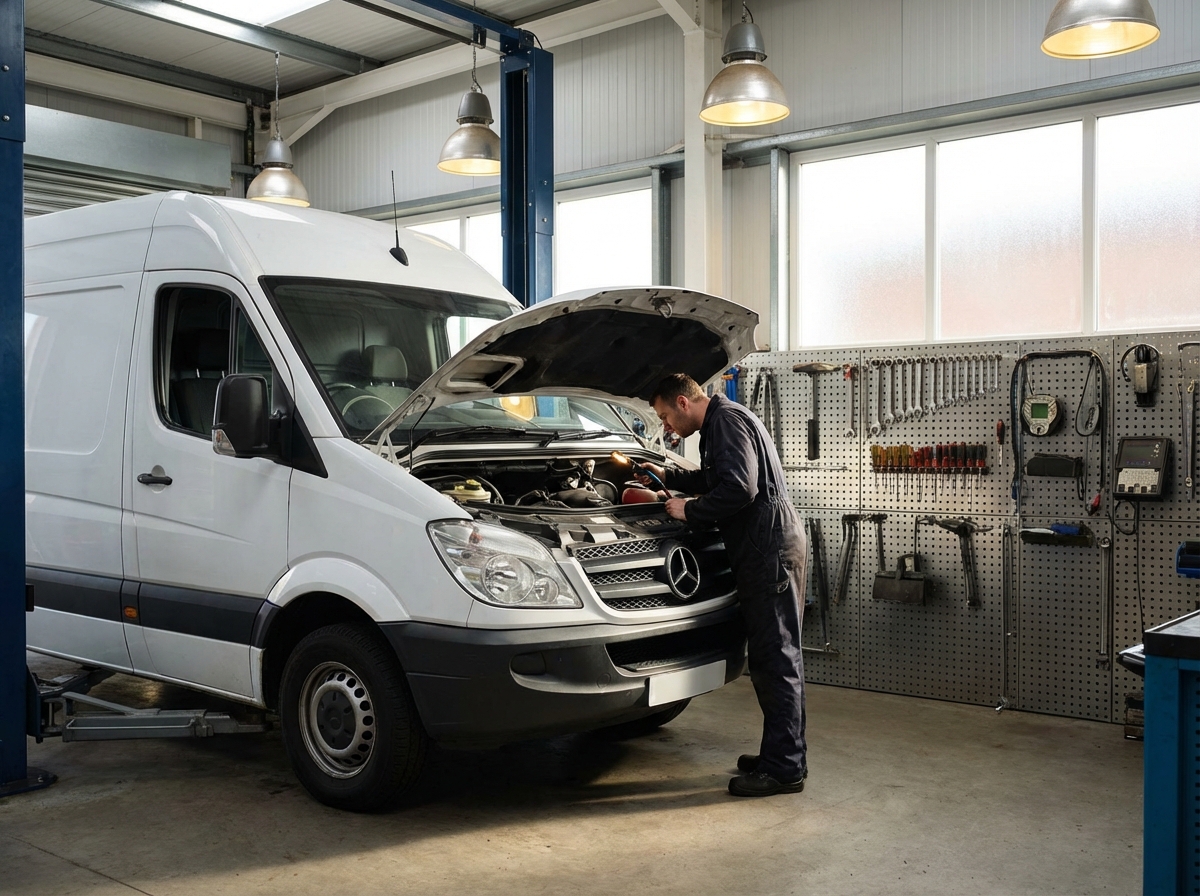
Why Regular Van Servicing Matters

Routine servicing is the simplest way to protect your van from expensive failures, keep your driver safe, and reduce fuel waste over time.

A professional service does far more than swap an oil filter. It checks fluid levels, tyre condition, suspension wear, braking performance, lights, and the health of the engine and electrical systems. For vans used daily in delivery, fleet, or trade work, that regular inspection can catch small faults before they become roadside breakdowns or major repair bills.

  • Prevents unexpected failures
  • Improves road safety and reliability
  • Helps protect resale value and fuel economy
Read this article

Repairs

Expert maintenance advice

Post 2

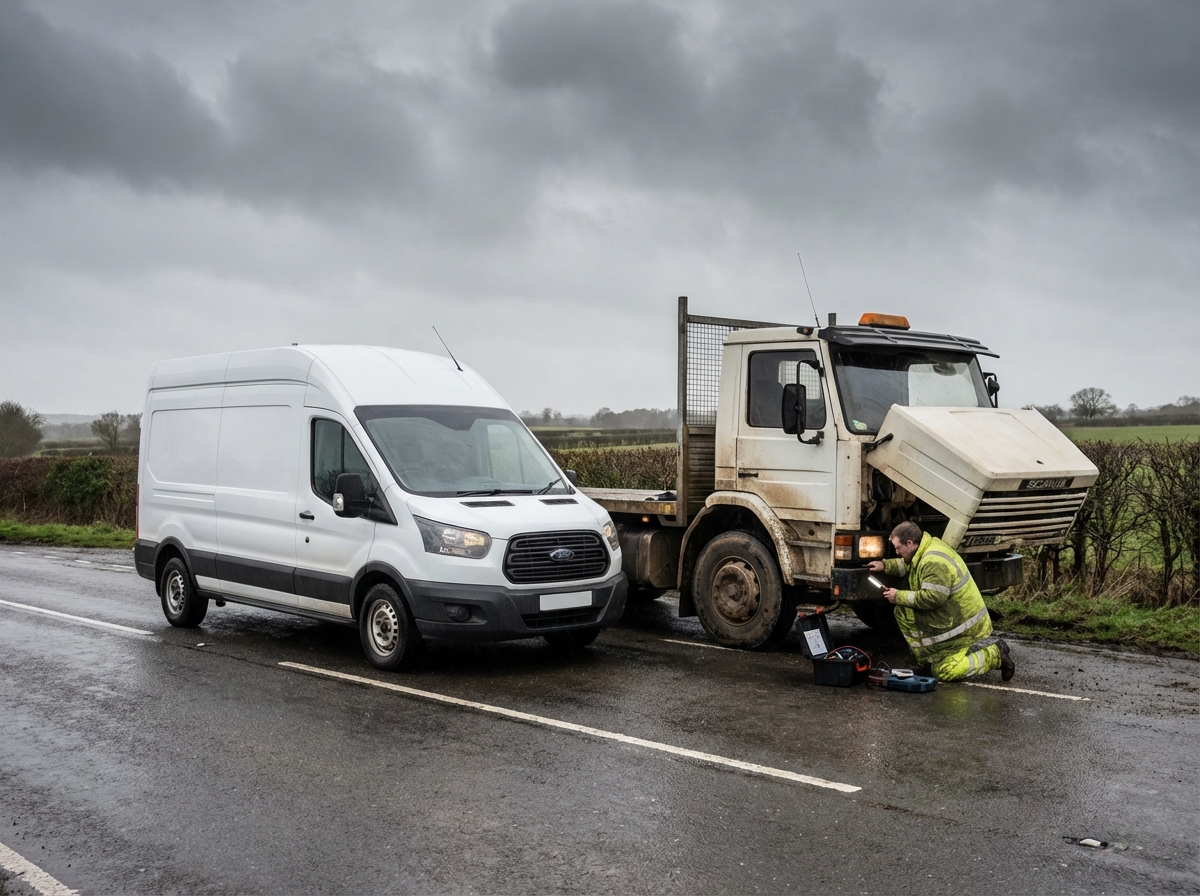
Common Signs Your Truck Needs Repairs

Unusual noises, warning lights, vibration, and declining performance are all clues that your truck should be checked before a small fault becomes a serious one.

Many commercial vehicle issues start as subtle changes that are easy to ignore. A slight vibration at speed, slower acceleration, unusual smells, or a warning lamp on the dash can all point to mechanical or electrical faults. The sooner a vehicle is diagnosed, the less likely it is to cause a breakdown, delay jobs, or lead to further damage to other parts.

  • Strange noises or knocking
  • Warning lights or loss of power
  • Poor braking or steering response
Read this article

Safety

Expert maintenance advice

Post 3

The Importance of Brake Inspections

Brakes are one of the most critical safety systems on any truck or van, so regular checks are essential for both legal compliance and driver confidence.

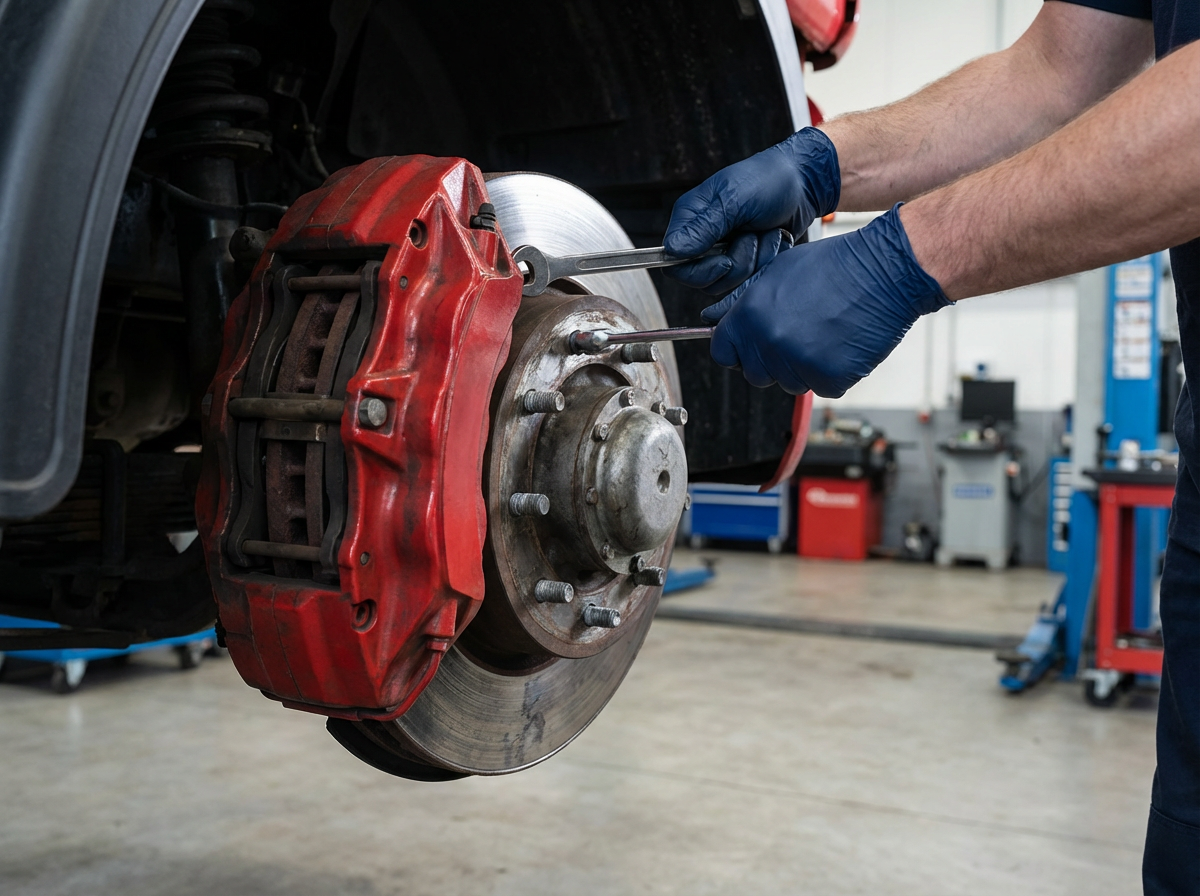
Brake inspections should look at pads, discs, callipers, fluid condition, ABS sensors, and handbrake performance. In commercial vehicles, worn brakes do not just affect stopping distance; they also increase tyre wear, put stress on suspension components, and can make journeys unpredictable in wet or busy traffic. A planned inspection helps you fix wear before it becomes dangerous.

  • Protects stopping performance
  • Reduces the risk of brake failures
  • Catches worn components early
Read this article

Fleet

Expert maintenance advice

Post 4

Keeping Your Fleet on the Road

For businesses, every day a vehicle is off the road costs money. Planned maintenance keeps your fleet productive and reduces expensive surprises.

Fleet downtime affects deliveries, customer confidence, and profit margins. By scheduling regular checks, replacing worn components before they fail, and acting quickly on faults, operators can keep vehicles available for work. This is especially important for vans, LCVs, and HGVs that are relied on for tight deadlines and daily routes.

  • Reduces avoidable downtime
  • Improves fleet reliability
  • Supports safer, more efficient operations
Read this article

Tyres

Expert maintenance advice

Post 5

When Should You Replace Your Tyres?

Tyres are the only part of the vehicle that touches the road, so their condition directly affects grip, safety, fuel economy, and legal compliance.

Drivers should watch for low tread depth, cracks, bulges, uneven wear, or damage caused by potholes or kerbs. On commercial vehicles, tyre wear is often accelerated by heavy loads and long-distance use. Replacing tyres at the right time improves braking performance, reduces the risk of blowouts, and helps keep running costs under control.

  • Check tread depth and sidewalls
  • Replace worn or damaged tyres promptly
  • Good tyres improve grip and fuel efficiency
Read this article

Diagnostics

Expert maintenance advice

Post 6

Engine Warning Light – What Does It Mean?

An engine warning light can indicate a simple sensor issue or a more serious fault, so it should never be ignored.

Modern engines rely on sensors, actuators, and electronic control units to manage performance. A warning light may be caused by anything from a loose fuel cap to a failing sensor, catalytic converter issue, or engine management fault. Professional diagnostics help pinpoint the problem quickly and prevent minor issues from escalating into expensive repairs.

  • Do not assume it is harmless
  • Use proper diagnostic tools
  • Early checks avoid larger repair bills
Read this article

Diagnostics

Expert maintenance advice

Post 7

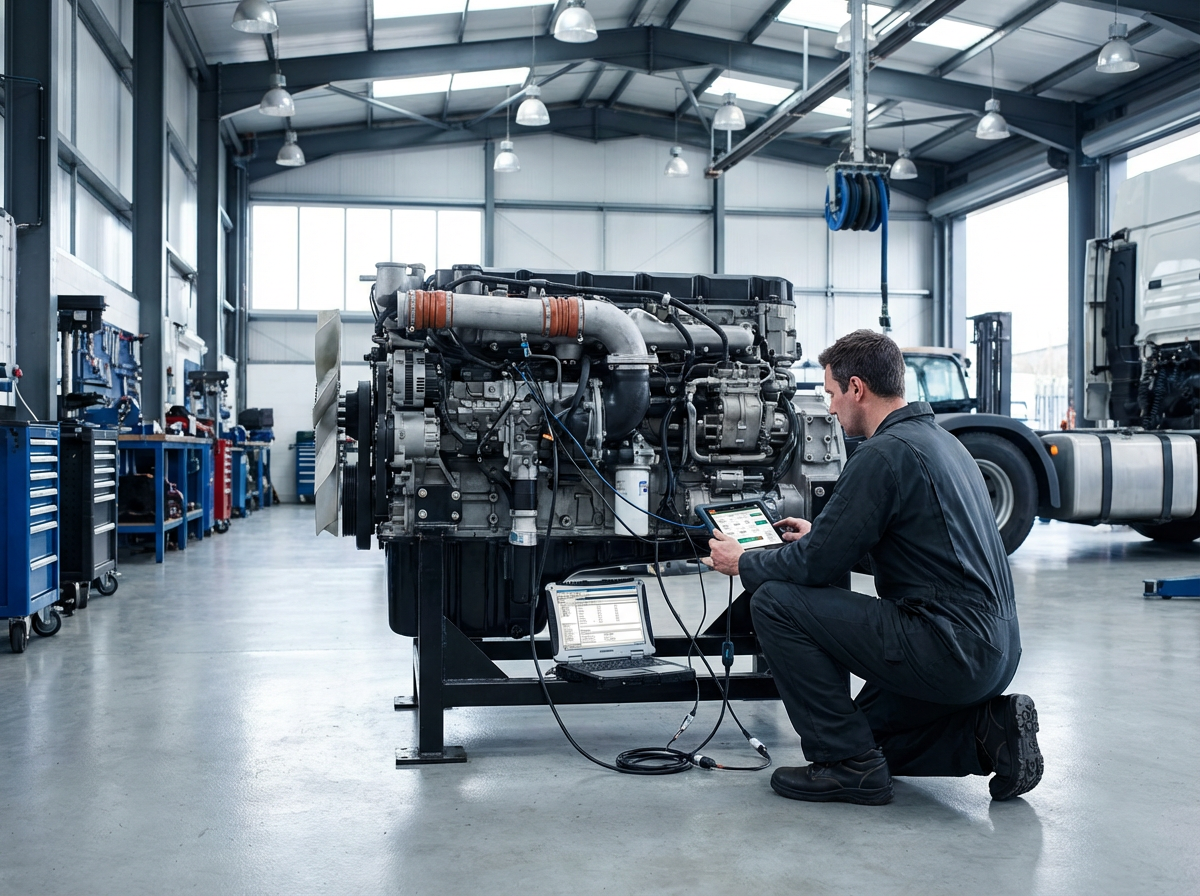
Benefits of Professional Vehicle Diagnostics

Diagnostic equipment gives mechanics a faster, more accurate way to identify faults and confirm the right repair before parts are replaced.

Commercial vehicles today contain complex electronics for engine control, safety systems, emissions, and onboard features. Advanced fault code reading and live data analysis allow technicians to trace faults accurately instead of guessing. This saves time, reduces unnecessary labour, and improves the chance of fixing the real cause rather than the symptom.

  • Accurate fault identification
  • Faster repair planning
  • Reduces unnecessary part replacement
Read this article

Efficiency

Expert maintenance advice

Post 8

How to Improve Fuel Efficiency

Small maintenance habits can make a noticeable difference to fuel consumption and running costs over the course of a busy week.

Keeping tyres inflated to the correct pressure, replacing dirty air filters, servicing the engine, and checking wheel alignment all help improve efficiency. On vans and trucks that cover long distances, even a small improvement in mpg can save a significant amount over a year. A well-maintained vehicle also performs more smoothly and is less likely to suffer avoidable breakdowns.

  • Correct tyre pressure matters
  • Clean filters support efficient combustion
  • Servicing helps reduce wasted fuel
Read this article

Engine Care

Expert maintenance advice

Post 9

The Value of Oil Changes

Fresh, clean engine oil protects moving parts, reduces friction, and helps extend the life of your vehicle’s engine.

Engine oil is essential for cooling, lubrication, and keeping contaminants out of the engine. Over time, it breaks down and becomes less effective, especially in vehicles that work hard in stop-start traffic or heavy loads. Regular oil changes help reduce wear on bearings, pistons, and valves, which means less risk of overheating, sludge build-up, and long-term engine damage.

  • Reduces internal friction
  • Helps control engine temperature
  • Protects engine life and performance
Read this article

Compliance

Expert maintenance advice

Post 10

Why MOT Preparation Is Important

Preparing your vehicle ahead of its MOT can reduce the chance of failure and give you confidence your van or truck is roadworthy.

An MOT is more than a box-ticking exercise. It confirms that key safety systems are functioning as they should, from lights and brakes to tyres, suspension, and visibility. Preparing in advance gives you time to fix small issues, avoid last-minute stress, and make sure your vehicle meets UK safety standards before it is tested.

  • Reduces the risk of MOT failure
  • Helps you address small faults early
  • Keeps your vehicle compliant and safe
Read this article

Need expert advice for a specific vehicle issue? We can help with diagnostics, servicing, brakes, tyres, MOT preparation, and fleet maintenance.

Book a service review

NEED A TRUCK OR
VAN REPAIR?

Do not let a breakdown stop your business. Call our expert mechanics now for fast, reliable repairs across the West Midlands.